Short answer: Drink concentrates are among the easiest products a small shop can add. They are small and light, they keep for a long time, and customers who like a flavour come back for it. A 500 ml bottle of still drink concentrate makes 16.5 litres of drink, which is a strong argument at the counter and on a product page.
Who buys concentrates?
More people than you might think:
- Families who want a cheap, sugar-free alternative to squash and cans
- Offices and gyms that want something better than plain water
- Party planners and parents buying slush for birthdays and events
- Homebrewers who want a soft drink for the non-drinkers
- Small cafés and caterers who buy a few bottles before committing to larger sizes
That makes concentrates a good fit for homebrew shops, delis, farm shops, health food shops and webshops alike.
Build a small, clear range
Start with three groups:
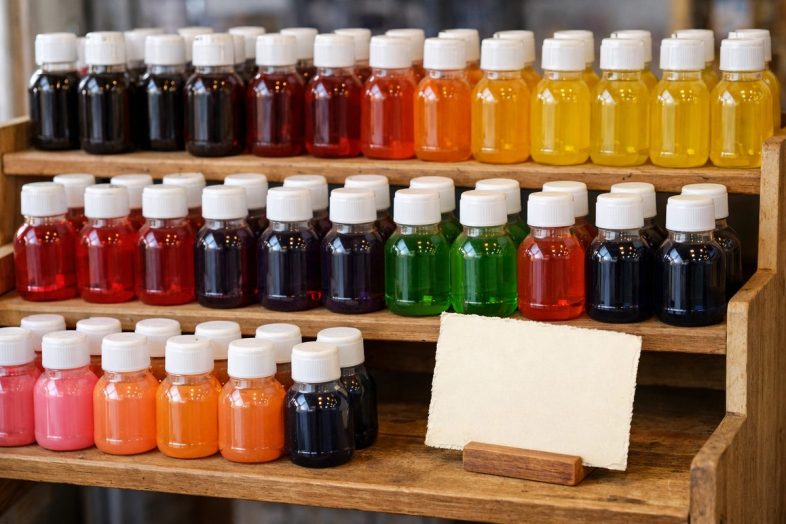
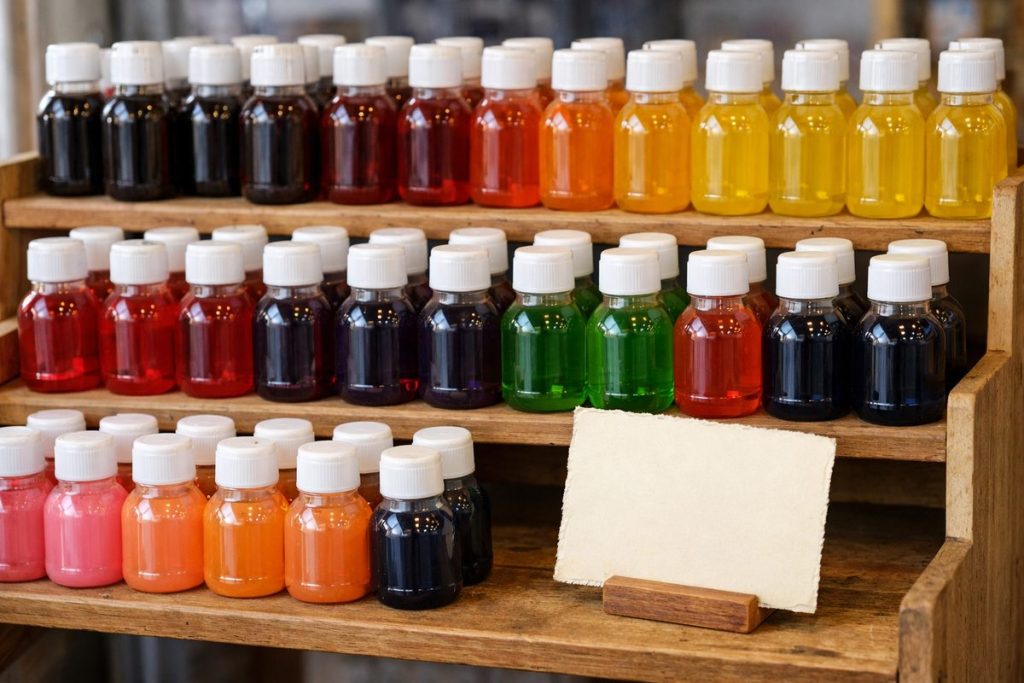
- Still drink concentrates. Sugar-free, mixed with still water. Choose four to six flavours, such as grapefruit, blood orange, rhubarb, pineapple and a blend.
- Soda concentrates. For customers with a soda machine at home. See the zero soda concentrates.
- Slush concentrates. Seasonal, strong in spring and summer. Read more in slush for cafés and lunch restaurants.
Put the most popular flavour at eye level and keep a tester or a recipe card next to it.
Sell the number of litres
The strongest selling point for a concentrate is how much drink it makes. Say it on every shelf label and product page:
- “Makes 16.5 litres” for a 500 ml still drink concentrate
- “Makes 66 litres” for a 2 litre bottle
- “Makes 9 litres of slush” for a 500 ml sugar-free slush concentrate
Customers compare it with the price of a bottle of squash or a pack of cans, and the concentrate usually wins.
Online: easy to ship
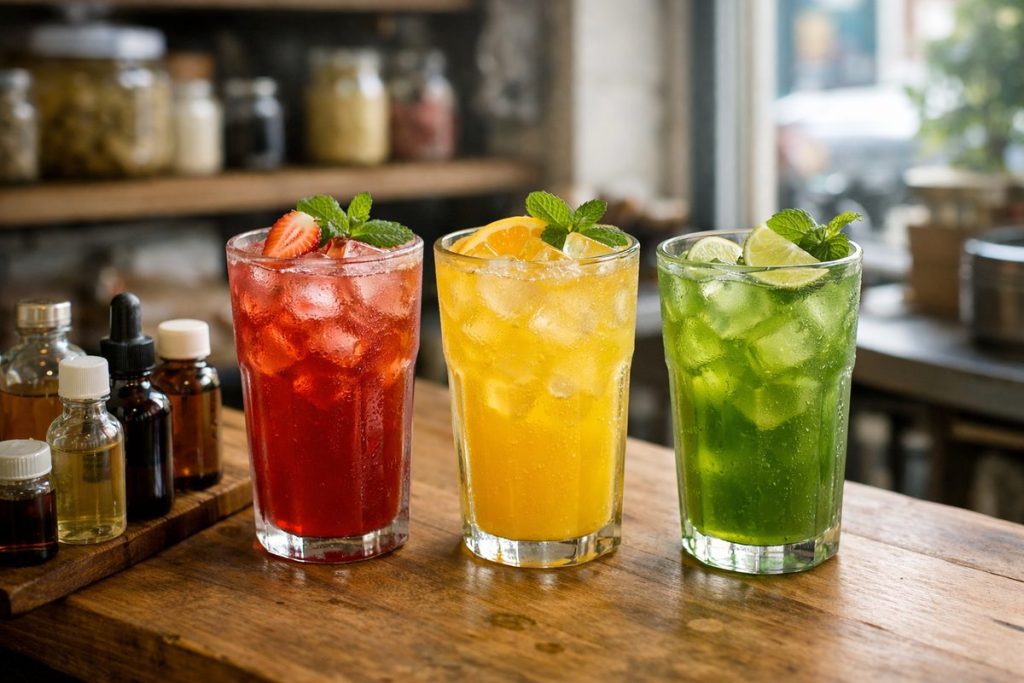
Concentrates are ideal for a webshop. They fit in small parcels, they rarely break when packed well, and they are bought again. Write a short product description with the flavour, the mixing ratio, how much drink it makes and the ingredients. A photo of the finished drink in a glass sells better than a photo of the bottle alone.
Buy little and often
You do not need a large stock to start. With a mixed trade parcel of up to 30 kg you can order a few bottles of many flavours together with your other products, at one shipping price, and reorder the flavours that sell. Read how ordering works in buying wholesale from Sweden, and see how concentrates fit with the rest of the shelf in stocking a homebrew shop.
The full range of still drink concentrates is in the trade shop.