Short answer: A homebrew shop lives on repeat sales. The starter kit is sold once, but yeast, nutrients, clearing agents, flavourings and small parts are bought again and again. Build your range around those consumables, keep the basics always in stock and add a few products that give customers a reason to try something new.
Think in three layers
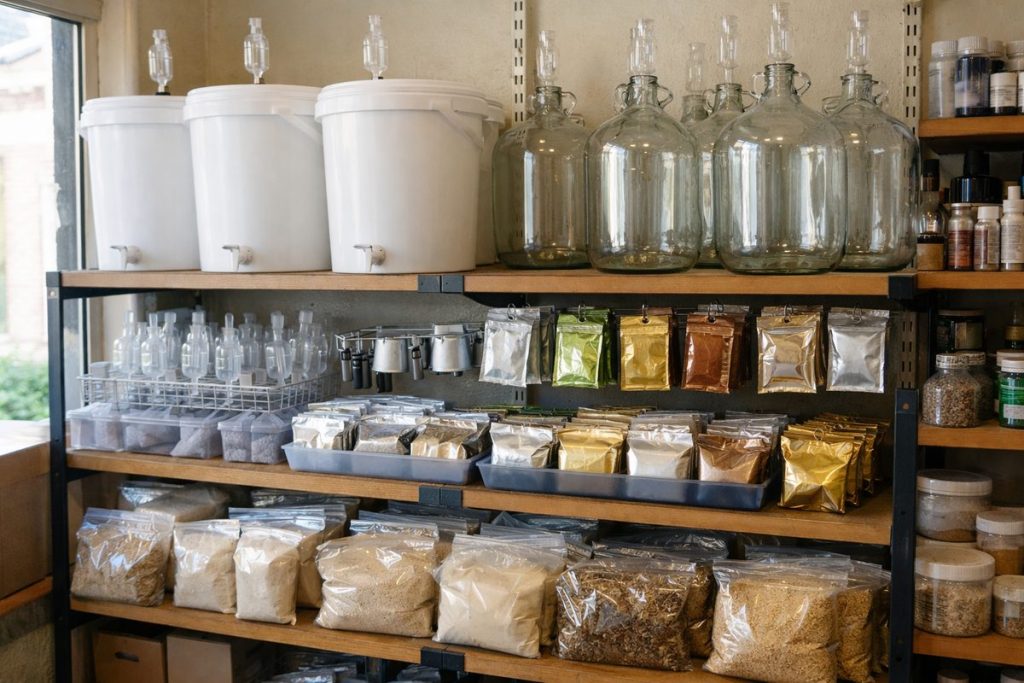
It helps to divide the shop into three layers.
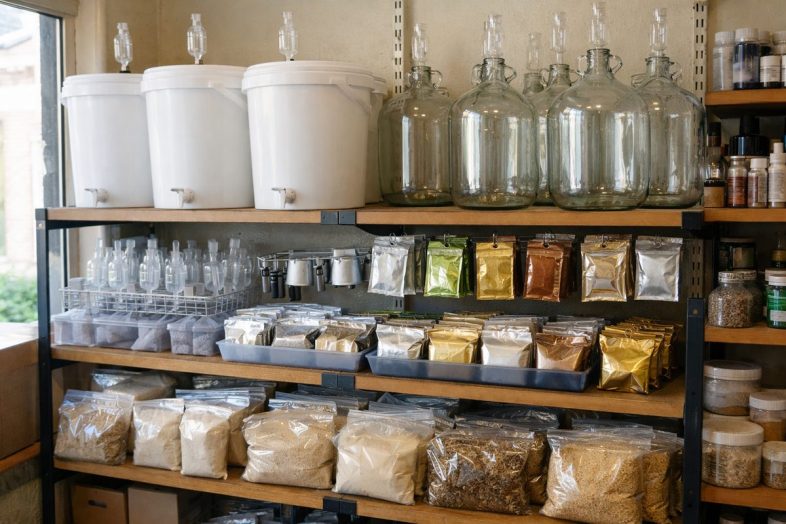
1. Equipment that is bought once. Fermenting buckets, demijohns, taps, siphons, hydrometers and bottles. These bring new customers in, but they do not come back for them every month.
2. Consumables that are bought every batch. Yeast, yeast nutrient, clearing agents, anti-foam, sterilisers, activated carbon and flavourings. This is where the repeat business is, and these products must never be out of stock.
3. Products that create interest. New flavours, seasonal ingredients, books and kits for mead, cider or fruit wine. They give regular customers a reason to visit again and something to talk about.
The consumables to always have
- Wine yeast and cider yeast. Customers making fruit wine, country wines, cider and mead need a reliable yeast. Read more about choosing between turbo yeast and wine yeast.
- Turbo yeast. A complete yeast and nutrient blend for fast, strong fermentations. It is one of the best-selling products in many homebrew shops.
- Yeast nutrient. Fruit and honey musts often lack nitrogen. A nutrient gives a cleaner, faster fermentation.
- Clearing agents. Most customers want a clear wine. A two-part clearing kit or bentonite is an easy add-on sale.
- Anti-foam. Useful for foaming fruit musts and large fermentations.
- Activated carbon. Used to filter and polish wines and other drinks.
- Water locks and bungs. Small, cheap parts that customers lose or break. Keep plenty.
Flavourings: the add-on that is easy to forget
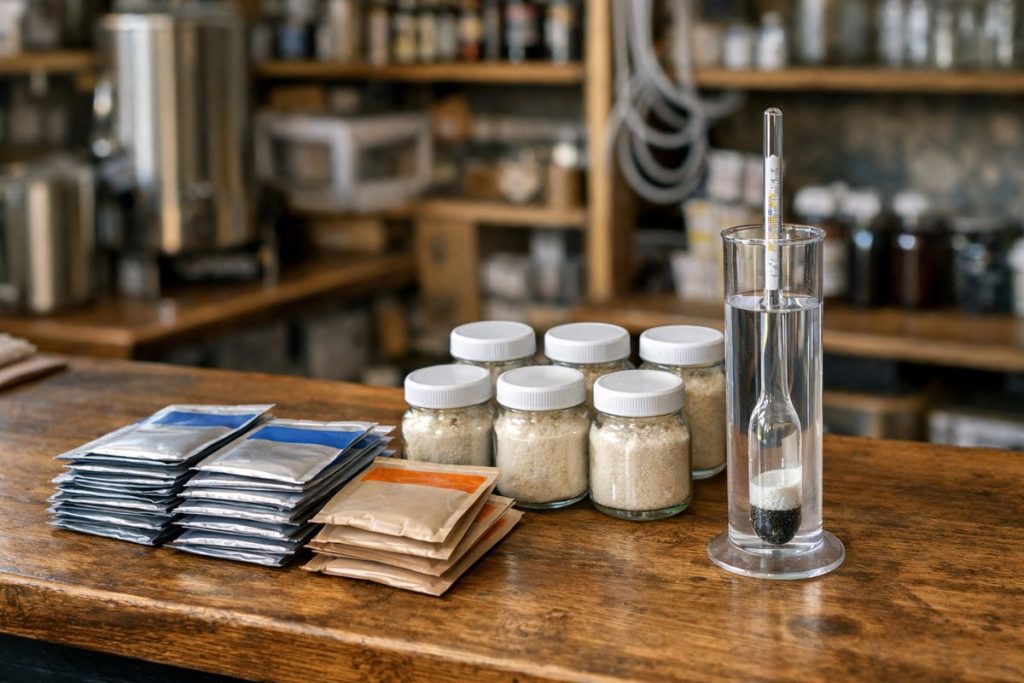
Flavourings and essences let customers make liqueurs, flavoured wines and soft drinks at home. Liqueur essences are added to a spirit bought from a shop, which is legal and simple. Small bottles from 20 ml to 50 ml are good impulse buys at the counter, while 280 ml and 1 litre bottles suit regular customers and bars.
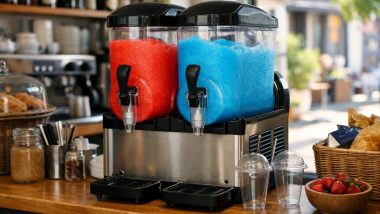
Soft drink and slush concentrates are another category that brings in customers who do not brew at all, such as parents, party planners and small cafés.
Be clear about what is legal
In the UK it is legal to make wine, cider, mead and beer at home for your own use. Distilling spirits is different: you need a licence from HMRC, even for a small still and even if the spirit is only for yourself. As a retailer, you should never suggest that customers distil at home without a licence. Describe products for what they are used for legally, such as fermentation, filtering wine or flavouring a bought spirit, and train staff to answer the same way.
Buying in bulk
Consumables keep for a long time if stored correctly, so buying them in larger quantities usually lowers the cost per unit. Many UK homebrew shops buy in mixed trade parcels: a single parcel of up to 30 kg can hold several products, such as yeast, nutrients and essences, so you do not need to order a pallet of one item.
The trade shop at buyfromsweden.uk has homebrew accessories, yeast and ingredients. Prices are shown to registered businesses. If you have not bought from Sweden before, read about shipping, VAT and customs after Brexit.
Keep customers coming back
- Place consumables near the till. Yeast and nutrients are the products people forget.
- Write simple guides. A one-page recipe card for a fruit wine or a mead sells the yeast, the nutrient and the clearing agent at the same time.
- Track what runs out. Reorder the consumables before they are gone. An empty yeast shelf sends customers to a competitor.
- Sell online as well. Small, light products like yeast and essences are cheap to post, so they work well in a webshop.