Homebrew Retail
What to stock and how to sell it: yeast, essences, ingredients and accessories for UK homebrew shops.
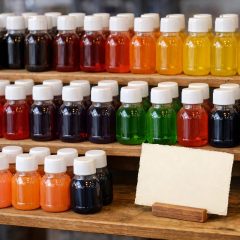
Selling drink concentrates in a shop or webshop: a range customers come back for
Short answer: Drink concentrates are among the easiest products a small shop can add. They are small and light, they keep for a long time, and customers who like a flavour come back for it. A 500 ml bottle of still drink concentrate makes 16.5 litres of drink, which is a strong argument at the counter and on a product page.
Who buys concentrates?
More people than you might think:
- Families who want a cheap, sugar-free alternative to squash and cans
- Offices and gyms that want something better than plain water
- Party planners and parents buying slush for birthdays and events
- Homebrewers who want a soft drink for the non-drinkers
- Small cafés and caterers who buy a few bottles before committing to larger sizes
That makes concentrates a good fit for homebrew shops, delis, farm shops, health food shops and webshops alike.
Build a small, clear range
Start with three groups:
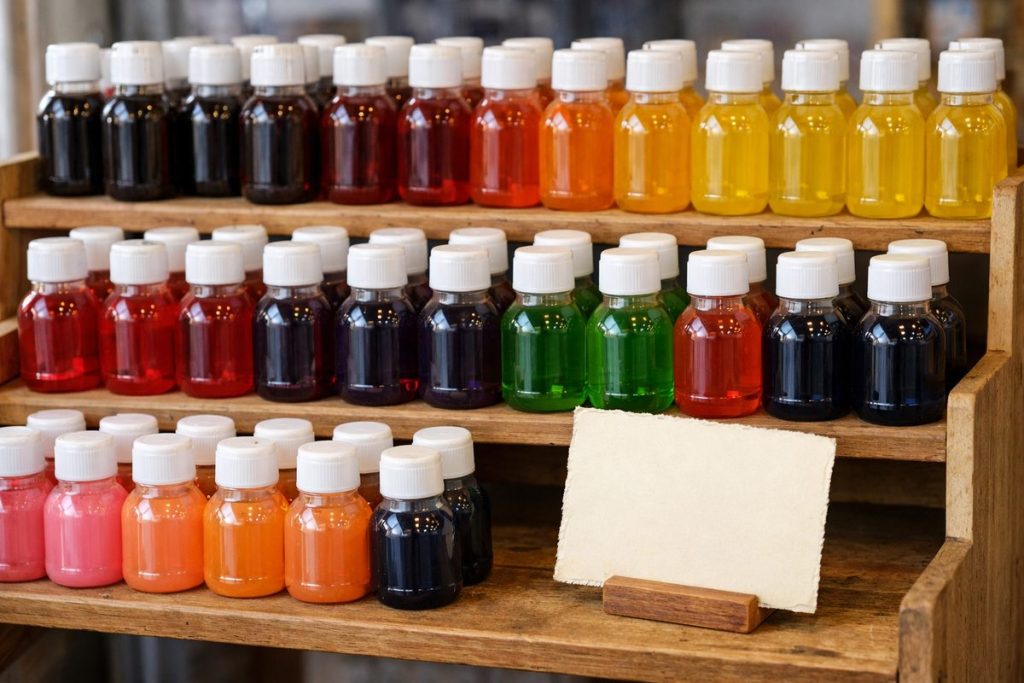
- Still drink concentrates. Sugar-free, mixed with still water. Choose four to six flavours, such as grapefruit, blood orange, rhubarb, pineapple and a blend.
- Soda concentrates. For customers with a soda machine at home. See the zero soda concentrates.
- Slush concentrates. Seasonal, strong in spring and summer. Read more in slush for cafés and lunch restaurants.
Put the most popular flavour at eye level and keep a tester or a recipe card next to it.
Sell the number of litres
The strongest selling point for a concentrate is how much drink it makes. Say it on every shelf label and product page:
- “Makes 16.5 litres” for a 500 ml still drink concentrate
- “Makes 66 litres” for a 2 litre bottle
- “Makes 9 litres of slush” for a 500 ml sugar-free slush concentrate
Customers compare it with the price of a bottle of squash or a pack of cans, and the concentrate usually wins.
Online: easy to ship
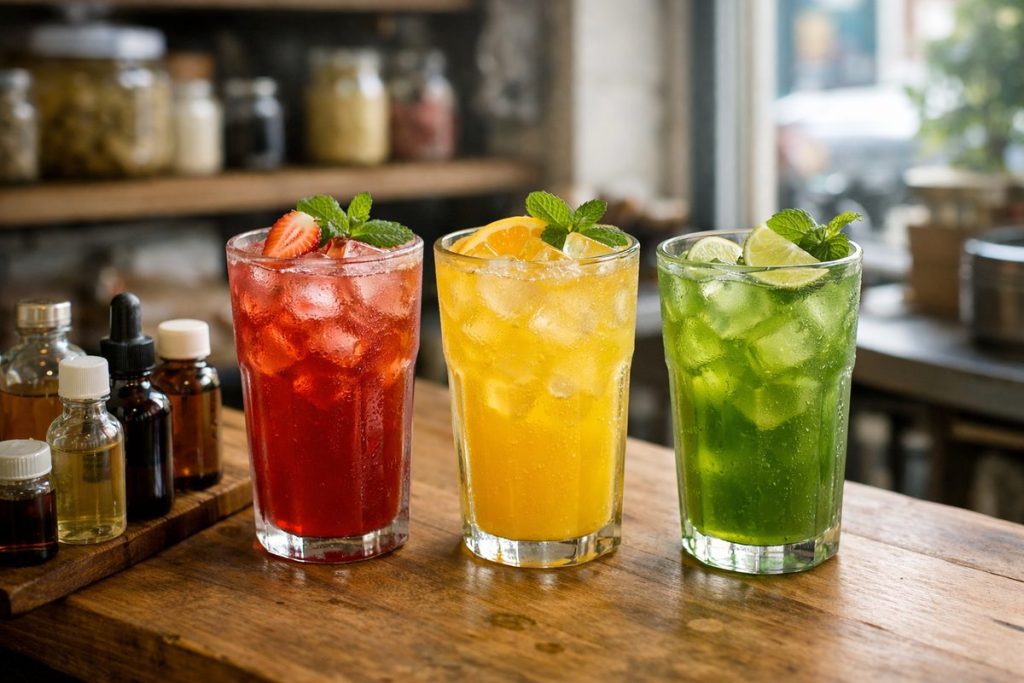
Concentrates are ideal for a webshop. They fit in small parcels, they rarely break when packed well, and they are bought again. Write a short product description with the flavour, the mixing ratio, how much drink it makes and the ingredients. A photo of the finished drink in a glass sells better than a photo of the bottle alone.
Buy little and often
You do not need a large stock to start. With a mixed trade parcel of up to 30 kg you can order a few bottles of many flavours together with your other products, at one shipping price, and reorder the flavours that sell. Read how ordering works in buying wholesale from Sweden, and see how concentrates fit with the rest of the shelf in stocking a homebrew shop.
The full range of still drink concentrates is in the trade shop.
Turbo yeast or wine yeast? What homebrew retailers should stock and why
Short answer: Wine yeast is chosen for flavour. It ferments at a steady pace and leaves a clean, fruity wine, cider or mead. Turbo yeast is chosen for speed and strength. It is a complete blend of yeast and nutrients that ferments a sugar solution quickly and to a high alcohol level, but it adds little flavour of its own. A homebrew shop needs both, and staff who can explain the difference.
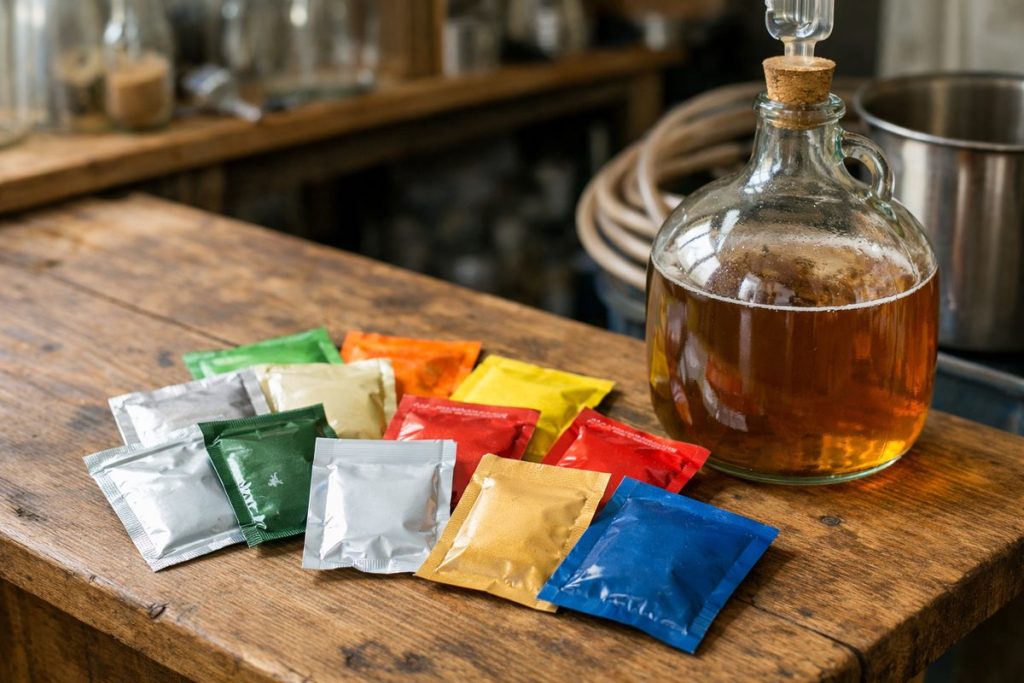
Wine, cider and mead yeast
A wine yeast is a selected strain of *Saccharomyces* yeast. Different strains suit different drinks:
- Red and white wine yeasts for grape and fruit wines.
- Cider yeasts that keep the apple character.
- Mead yeasts that cope with honey musts, which are often low in nutrients.
- All-round yeasts for country wines made from berries, rhubarb or elderflower.
A wine yeast usually ferments over one to three weeks and stops at around 12 to 15 per cent alcohol, depending on the strain. It often needs a separate yeast nutrient, especially for fruit and honey musts.
Who buys it? Customers making wine, cider and mead, who care about flavour and are happy to wait.
Turbo yeast
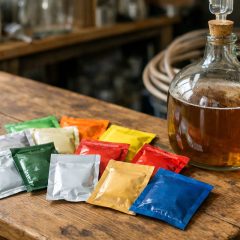
A turbo yeast is a yeast strain that tolerates high alcohol levels, packed together with the nutrients it needs. Customers add one sachet to a large volume of sugar solution and the yeast does the rest. Turbo yeasts are known for:
- Speed. Many ferment in a few days rather than weeks.
- High alcohol tolerance. Some reach 14 to 20 per cent alcohol under the right conditions.
- Simplicity. Nutrients are included, so there is nothing else to measure.
- A neutral result. The yeast is not chosen for flavour.
Because of the neutral result and the speed, turbo yeast is less suited to a wine where taste matters. It is used for neutral bases, for example a base for flavoured drinks or fruit liqueurs. It is one of the best-selling single products in many homebrew shops, so it should never be out of stock. See the turbo yeast range.
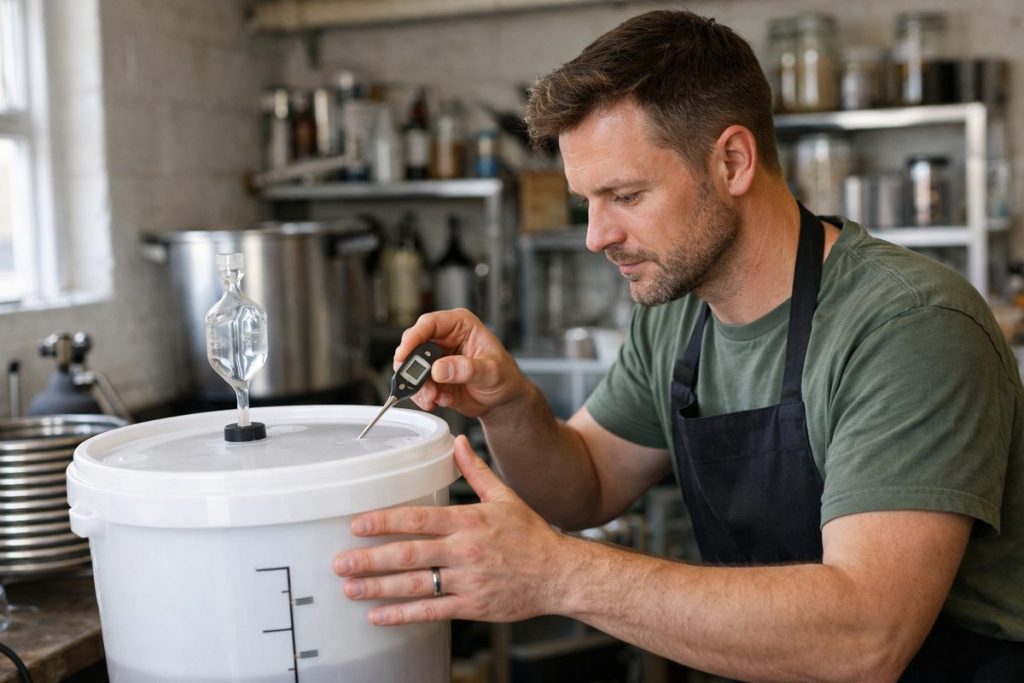
What to tell customers
A short set of questions helps staff recommend the right yeast:
- What are you making? Wine, cider or mead points to a wine yeast. A neutral base points to turbo yeast.
- Does the taste of the yeast matter? If yes, choose a wine yeast.
- How warm is the room? Every yeast has a temperature range. Too warm gives off-flavours; too cold stops the fermentation.
- Do you have yeast nutrient? Sell it with every wine yeast for fruit and honey musts.
Keep it legal
Making wine, cider, mead and beer at home for your own use is legal in the UK. Distilling spirits is not, unless you hold a licence from HMRC, and that applies to small stills and personal use too. Retailers should describe yeasts for fermentation and never advise customers to distil at home. Keep your shelf labels, product pages and staff advice in line with this.
What to keep in stock
- Two or three wine yeasts for the most common drinks
- A cider yeast and a mead yeast
- One or two turbo yeasts, in single sachets and in larger packs for regular customers
- Yeast nutrient
- Clearing agents and anti-foam
All of these are found under yeast and regular yeast for wine, mead and cider in the trade shop. Yeast is light and keeps well when stored cool and dry, so it is a good product to buy in larger quantities. Read more about building the whole range in stocking a homebrew shop, and about ordering in buying wholesale from Sweden after Brexit.
Stocking a homebrew shop: the products that keep customers coming back
Short answer: A homebrew shop lives on repeat sales. The starter kit is sold once, but yeast, nutrients, clearing agents, flavourings and small parts are bought again and again. Build your range around those consumables, keep the basics always in stock and add a few products that give customers a reason to try something new.
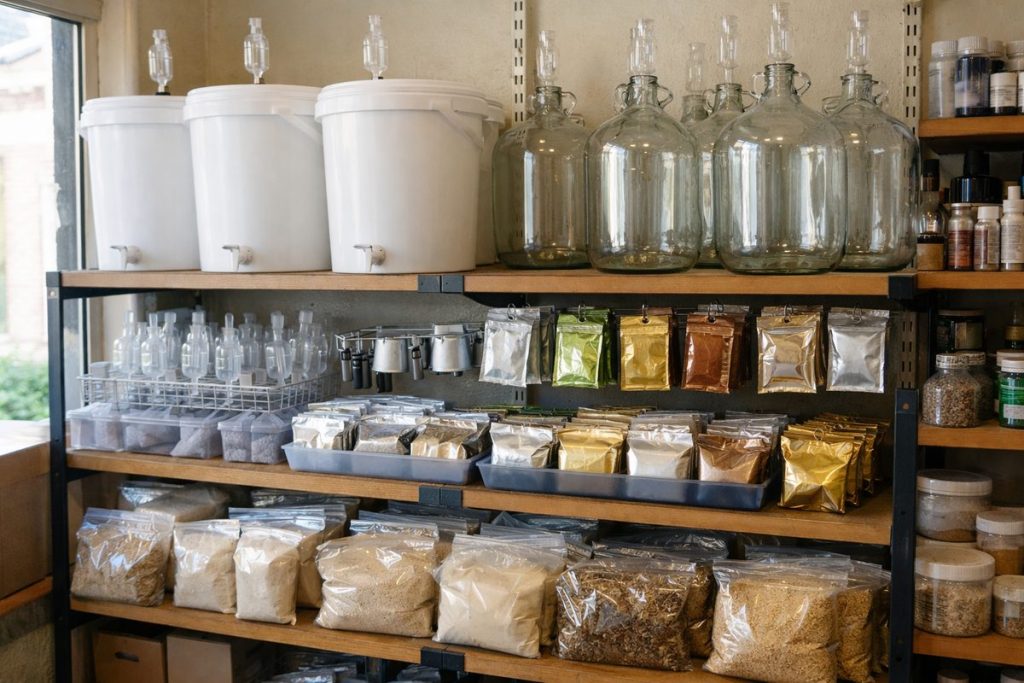
Think in three layers
It helps to divide the shop into three layers.
1. Equipment that is bought once. Fermenting buckets, demijohns, taps, siphons, hydrometers and bottles. These bring new customers in, but they do not come back for them every month.
2. Consumables that are bought every batch. Yeast, yeast nutrient, clearing agents, anti-foam, sterilisers, activated carbon and flavourings. This is where the repeat business is, and these products must never be out of stock.
3. Products that create interest. New flavours, seasonal ingredients, books and kits for mead, cider or fruit wine. They give regular customers a reason to visit again and something to talk about.
The consumables to always have
- Wine yeast and cider yeast. Customers making fruit wine, country wines, cider and mead need a reliable yeast. Read more about choosing between turbo yeast and wine yeast.
- Turbo yeast. A complete yeast and nutrient blend for fast, strong fermentations. It is one of the best-selling products in many homebrew shops.
- Yeast nutrient. Fruit and honey musts often lack nitrogen. A nutrient gives a cleaner, faster fermentation.
- Clearing agents. Most customers want a clear wine. A two-part clearing kit or bentonite is an easy add-on sale.
- Anti-foam. Useful for foaming fruit musts and large fermentations.
- Activated carbon. Used to filter and polish wines and other drinks.
- Water locks and bungs. Small, cheap parts that customers lose or break. Keep plenty.
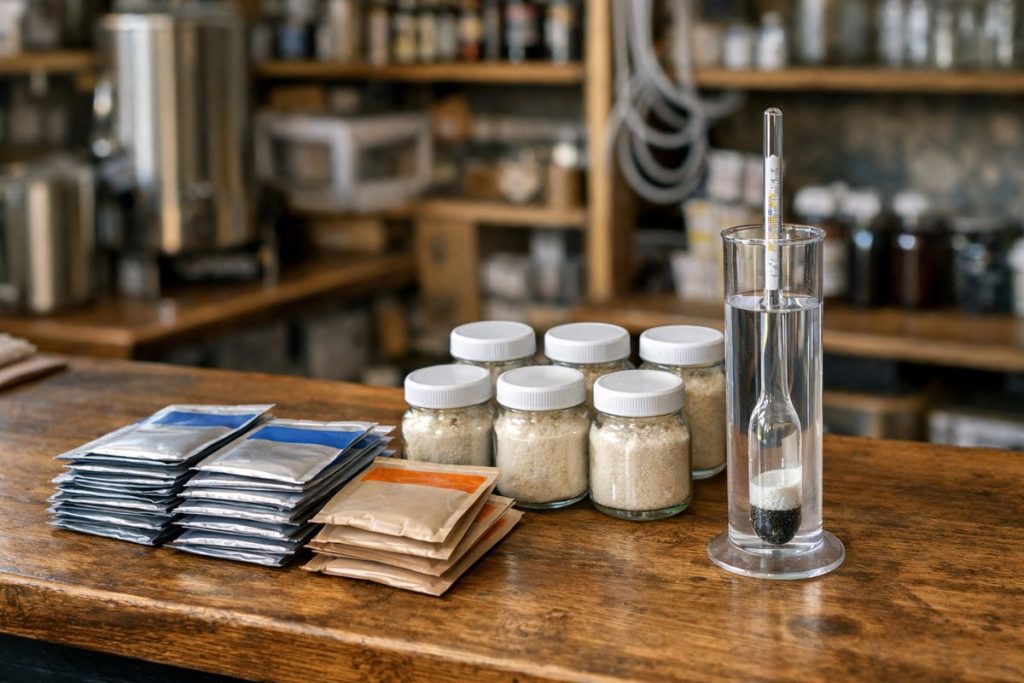
Flavourings: the add-on that is easy to forget
Flavourings and essences let customers make liqueurs, flavoured wines and soft drinks at home. Liqueur essences are added to a spirit bought from a shop, which is legal and simple. Small bottles from 20 ml to 50 ml are good impulse buys at the counter, while 280 ml and 1 litre bottles suit regular customers and bars.
Soft drink and slush concentrates are another category that brings in customers who do not brew at all, such as parents, party planners and small cafés.
Be clear about what is legal
In the UK it is legal to make wine, cider, mead and beer at home for your own use. Distilling spirits is different: you need a licence from HMRC, even for a small still and even if the spirit is only for yourself. As a retailer, you should never suggest that customers distil at home without a licence. Describe products for what they are used for legally, such as fermentation, filtering wine or flavouring a bought spirit, and train staff to answer the same way.
Buying in bulk
Consumables keep for a long time if stored correctly, so buying them in larger quantities usually lowers the cost per unit. Many UK homebrew shops buy in mixed trade parcels: a single parcel of up to 30 kg can hold several products, such as yeast, nutrients and essences, so you do not need to order a pallet of one item.
The trade shop at buyfromsweden.uk has homebrew accessories, yeast and ingredients. Prices are shown to registered businesses. If you have not bought from Sweden before, read about shipping, VAT and customs after Brexit.
Keep customers coming back
- Place consumables near the till. Yeast and nutrients are the products people forget.
- Write simple guides. A one-page recipe card for a fruit wine or a mead sells the yeast, the nutrient and the clearing agent at the same time.
- Track what runs out. Reorder the consumables before they are gone. An empty yeast shelf sends customers to a competitor.
- Sell online as well. Small, light products like yeast and essences are cheap to post, so they work well in a webshop.