Short answer: Wine yeast is chosen for flavour. It ferments at a steady pace and leaves a clean, fruity wine, cider or mead. Turbo yeast is chosen for speed and strength. It is a complete blend of yeast and nutrients that ferments a sugar solution quickly and to a high alcohol level, but it adds little flavour of its own. A homebrew shop needs both, and staff who can explain the difference.
Wine, cider and mead yeast
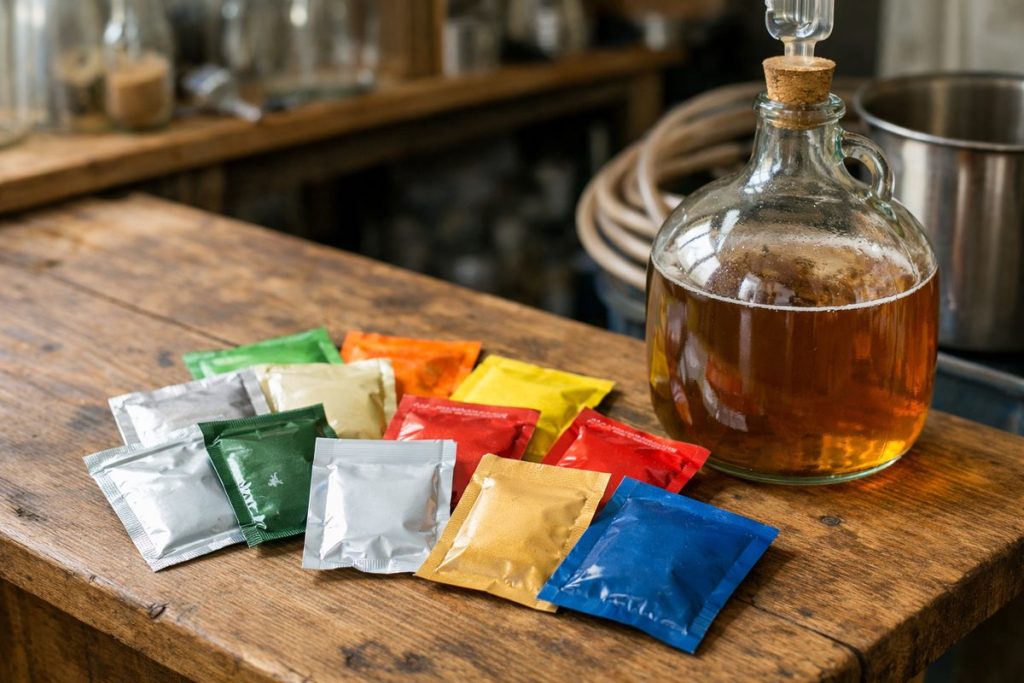
A wine yeast is a selected strain of *Saccharomyces* yeast. Different strains suit different drinks:
- Red and white wine yeasts for grape and fruit wines.
- Cider yeasts that keep the apple character.
- Mead yeasts that cope with honey musts, which are often low in nutrients.
- All-round yeasts for country wines made from berries, rhubarb or elderflower.
A wine yeast usually ferments over one to three weeks and stops at around 12 to 15 per cent alcohol, depending on the strain. It often needs a separate yeast nutrient, especially for fruit and honey musts.
Who buys it? Customers making wine, cider and mead, who care about flavour and are happy to wait.
Turbo yeast
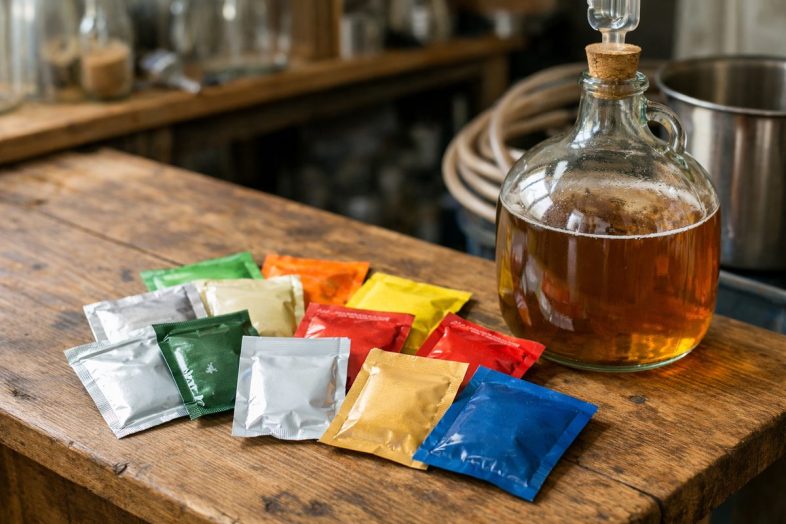
A turbo yeast is a yeast strain that tolerates high alcohol levels, packed together with the nutrients it needs. Customers add one sachet to a large volume of sugar solution and the yeast does the rest. Turbo yeasts are known for:
- Speed. Many ferment in a few days rather than weeks.
- High alcohol tolerance. Some reach 14 to 20 per cent alcohol under the right conditions.
- Simplicity. Nutrients are included, so there is nothing else to measure.
- A neutral result. The yeast is not chosen for flavour.
Because of the neutral result and the speed, turbo yeast is less suited to a wine where taste matters. It is used for neutral bases, for example a base for flavoured drinks or fruit liqueurs. It is one of the best-selling single products in many homebrew shops, so it should never be out of stock. See the turbo yeast range.
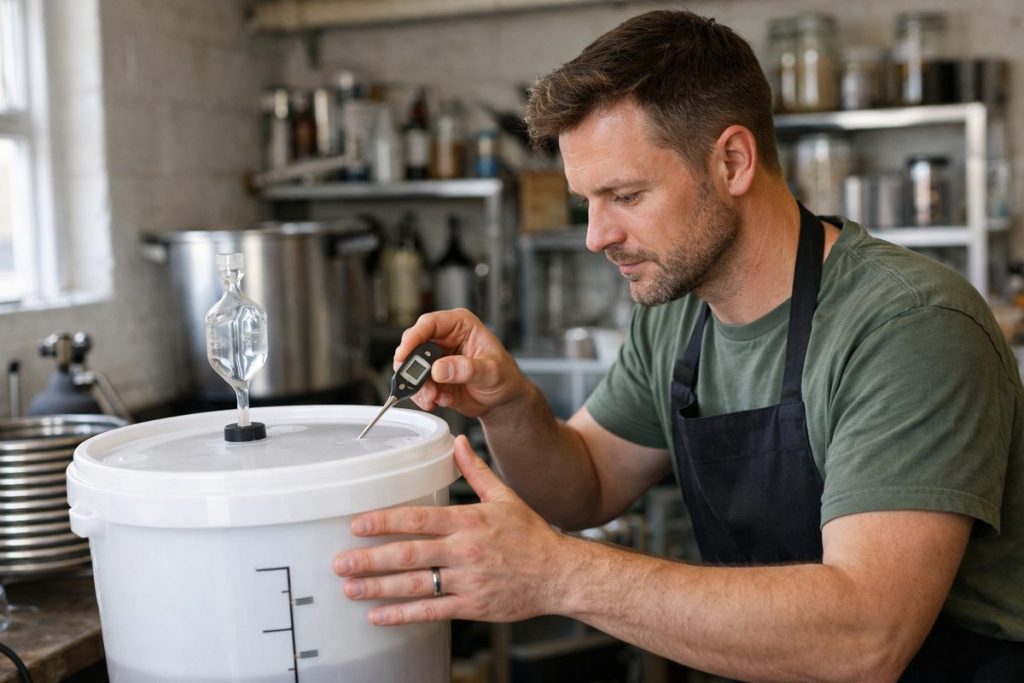
What to tell customers
A short set of questions helps staff recommend the right yeast:
- What are you making? Wine, cider or mead points to a wine yeast. A neutral base points to turbo yeast.
- Does the taste of the yeast matter? If yes, choose a wine yeast.
- How warm is the room? Every yeast has a temperature range. Too warm gives off-flavours; too cold stops the fermentation.
- Do you have yeast nutrient? Sell it with every wine yeast for fruit and honey musts.
Keep it legal
Making wine, cider, mead and beer at home for your own use is legal in the UK. Distilling spirits is not, unless you hold a licence from HMRC, and that applies to small stills and personal use too. Retailers should describe yeasts for fermentation and never advise customers to distil at home. Keep your shelf labels, product pages and staff advice in line with this.
What to keep in stock
- Two or three wine yeasts for the most common drinks
- A cider yeast and a mead yeast
- One or two turbo yeasts, in single sachets and in larger packs for regular customers
- Yeast nutrient
- Clearing agents and anti-foam
All of these are found under yeast and regular yeast for wine, mead and cider in the trade shop. Yeast is light and keeps well when stored cool and dry, so it is a good product to buy in larger quantities. Read more about building the whole range in stocking a homebrew shop, and about ordering in buying wholesale from Sweden after Brexit.