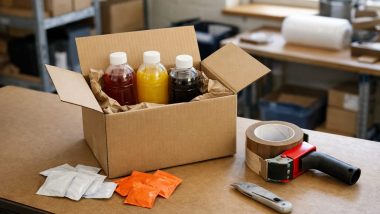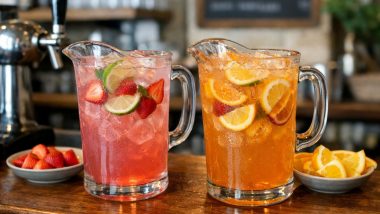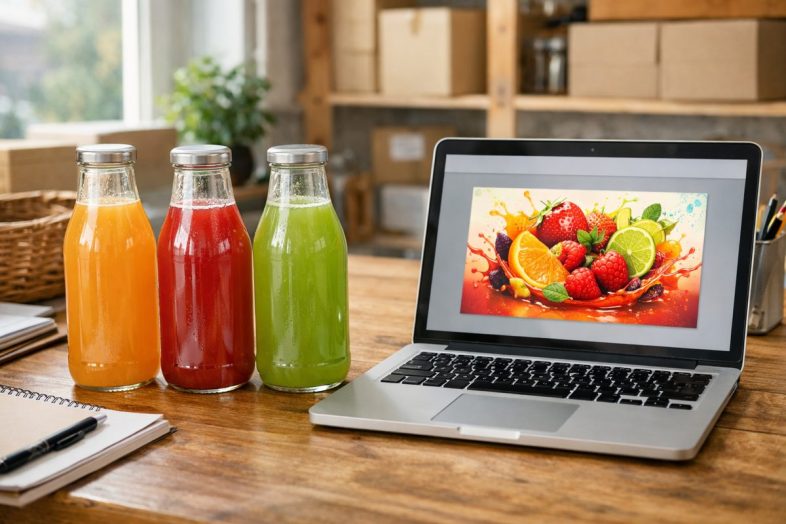
Short answer: You do not need your own recipe or factory to start a drinks brand. With a ready-made concentrate you can either bottle a finished drink under your own name, or sell the concentrate itself in your own packaging. The recipe and flavour work is already done, so you can spend your time on the brand, the label and the customers.
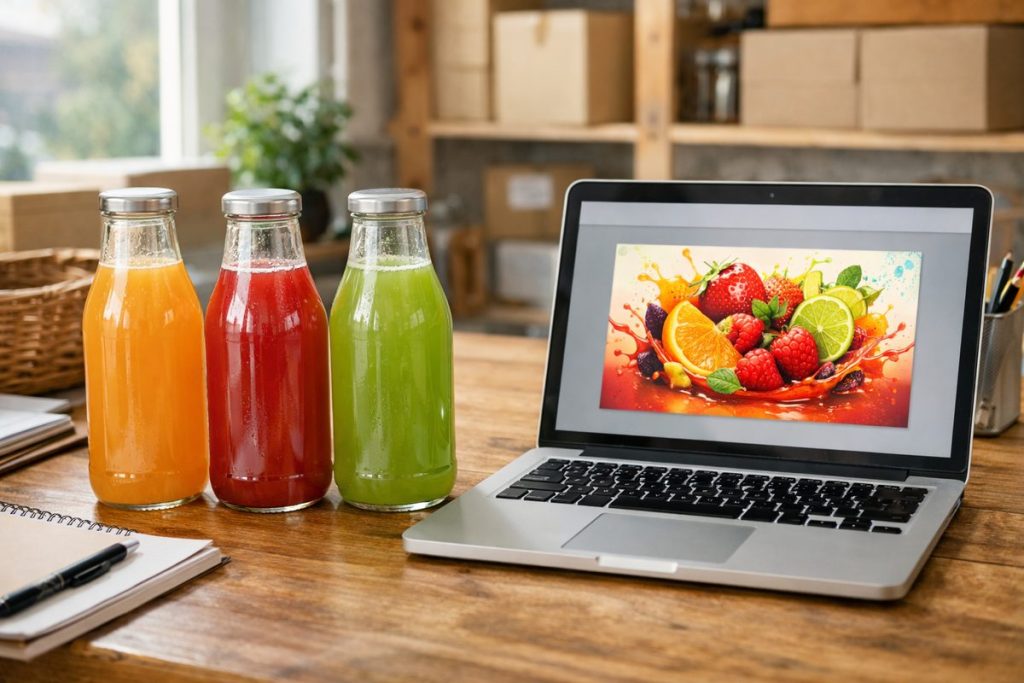
Two ways to build a private label range
1. Bottle a finished drink. You mix the concentrate with water, bottle it and sell ready-to-drink bottles under your own brand. This suits breweries, cideries, farm shops and small bottlers who already have a bottling line. We explain the production side in our guide to zero-sugar still drinks for small breweries and bottlers.
2. Sell the concentrate. You sell the concentrate itself, so the customer mixes the drink at home or at work. Concentrates are light and compact, which makes them well suited to webshops and subscription boxes. One 500 ml bottle of still drink concentrate makes 16.5 litres of drink, so the shipping cost per litre of finished drink is low.
You can also start simpler: sell the products under their own brand in your shop or webshop first, find out which flavours your customers like, and build your own label when you know what sells.
Who you are under UK food law
As soon as you put your own name on a food or drink, you take on responsibility for it. In practice this means:
- Register as a food business with your local authority at least 28 days before you start trading.
- Have a food safety plan based on HACCP principles for the steps you carry out, such as mixing, bottling or repacking.
- Label correctly. The label must include the name of the food, the ingredients with allergens emphasised, the net quantity, a best before date, storage conditions, and the name and UK address of your business. A drink with sweeteners must say “with sweetener(s)”.
- Keep records of batches and suppliers so you can trace every product.
Your supplier provides product specifications with ingredients and allergens. Keep them on file and build your labels from them, not from memory.
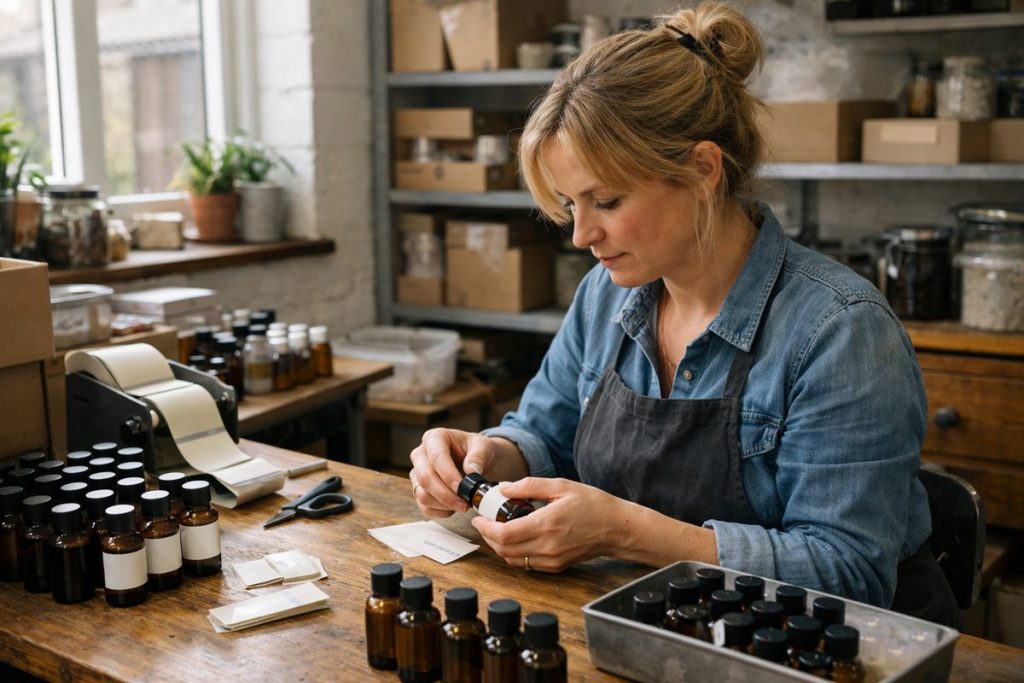
Choosing the range
Start narrow. Three flavours that suit your brand are better than twelve that compete for shelf space. Some combinations that work well:
- A sugar-free range for health-conscious customers, gyms and offices.
- A “Scandinavian” range with rhubarb, gooseberry and berry flavours.
- A party and summer range with slush concentrates and bright fruit flavours.
Order small quantities of several flavours to test. Then buy in larger sizes, such as 2 litre and 5 litre containers, when you know what sells.
What it costs to start
The main costs are usually not the concentrate. They are:
- bottles, caps and labels
- label design
- your time for mixing, filling and packing
- shipping and marketplace fees if you sell online
Work out the full cost per bottle before you set a price, and remember that marketplaces like Amazon take a fee on every sale.
Selling online
Concentrates are a good fit for a webshop: they are light, they keep well and customers reorder. Photograph the finished drink, not only the bottle, and explain how much drink one bottle makes. That number is often the strongest selling point.
The concentrates are available to registered businesses in the trade shop, for example the still drink concentrates. If you are new to importing, read how shipping, VAT and customs work when buying from Sweden. Homebrew retailers who want to add drinks concentrates to their range can also read what to stock in a homebrew shop.