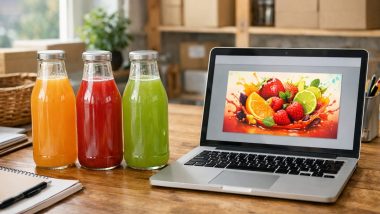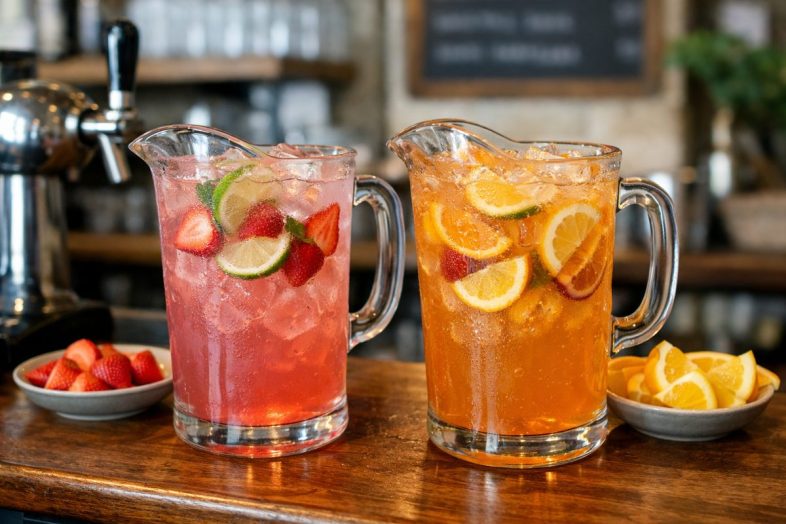
Short answer: A house soda is a soft drink you mix yourself from a concentrate and water, either still or carbonated, and serve from a jug, a dispenser or a tap. It costs far less per glass than branded cans, it takes up less fridge space, and it gives your menu something customers cannot get anywhere else.
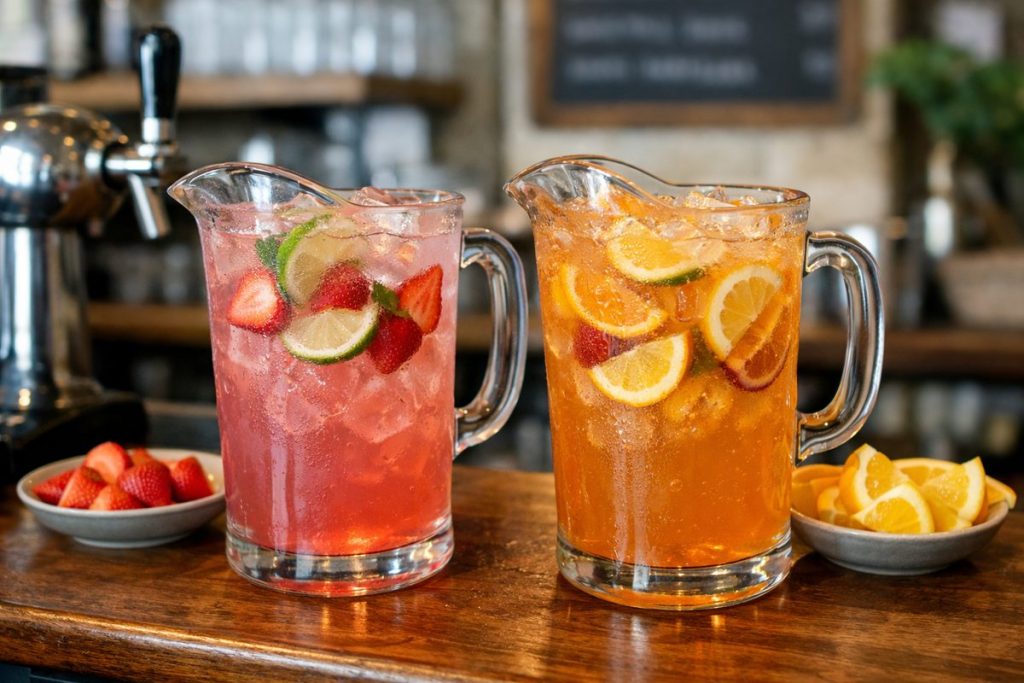
Why make your own?
Branded soft drinks are easy, but they are expensive per glass and they look the same in every café. A house soda gives you:
- A better margin. Concentrate and water cost much less per glass than a can.
- Less waste. No cases of cans to store, chill and recycle.
- A drink with your name on it. “Our rhubarb lemonade” is easier to remember than another cola.
- Flexibility. You can offer sugar-free versions, seasonal flavours and refills.
Still or sparkling?
Still house drinks are the easiest. Mix a still drink concentrate with cold water in a jug or a drinks dispenser and serve with ice. Zero-sugar still drink concentrates are mixed 1 part to 32 parts water, so one 500 ml bottle makes 16.5 litres. That is more than fifty large glasses. See the still drink concentrates.
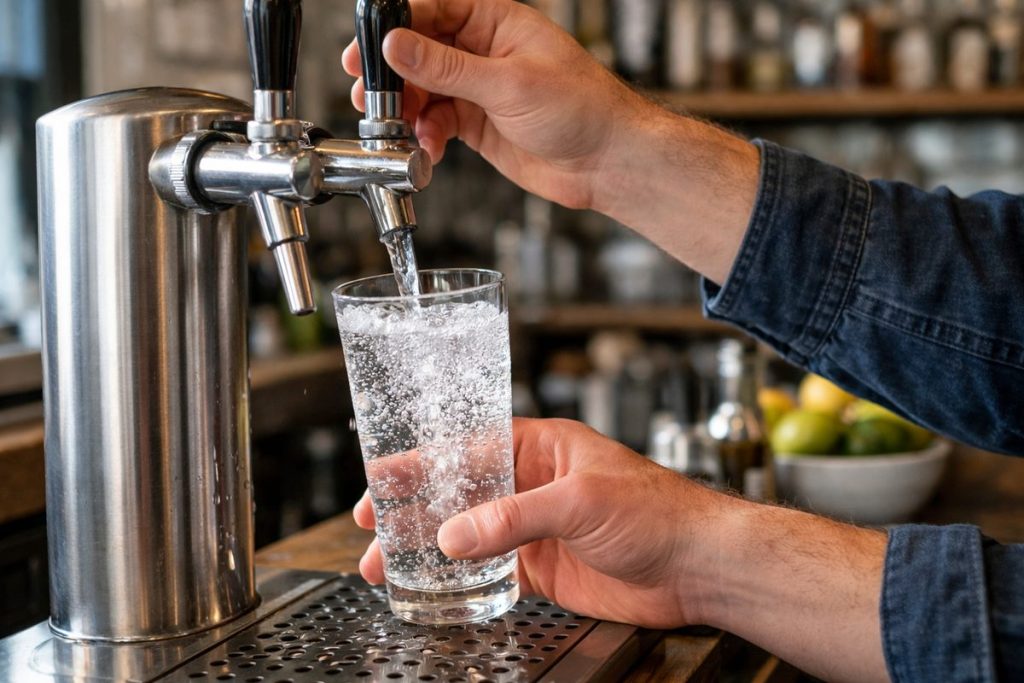
Sparkling house sodas need carbonated water. There are three common ways to get it:
- A carbonated water tap or chiller, the kind many restaurants already have for water.
- A soda machine or siphon for small volumes.
- A keg and CO2 if you already serve draught drinks.
Add the soda concentrate to the sparkling water, or mix it in a keg and carbonate the finished drink. The zero soda concentrates are made for exactly this. Follow the ratio on the label so every glass tastes the same.
Flavoured sparkling water: the simplest option
If a full soda feels like too much, start with flavoured sparkling water. A few millilitres of a sparkling water flavour in a litre of sparkling water gives a light, unsweetened or lightly flavoured drink. Small bottles of 32 to 50 ml make 16 to 25 litres, and 100 to 200 ml bottles make 50 to 100 litres. See the sparkling water flavours.
Serving and hygiene
- Mix in small batches. Mix what you will sell in a day or a service and keep it chilled.
- Label your jugs and dispensers with the flavour and the time they were mixed.
- Clean dispensers and taps daily as part of your normal food hygiene routine.
- Know your allergens. Keep the product specifications to hand so staff can answer questions about ingredients and sweeteners.
Pricing
Work out your cost per glass: the net price of the concentrate divided by the number of glasses it makes, plus ice, a straw and a slice of fruit if you use one. Then price the drink the way you would price a coffee, by what customers expect to pay in your area, not by what it costs. Many cafés charge the same for a house soda as for a branded soft drink and keep the difference.
Ideas that sell
- A sugar-free lunch deal drink included in a meal offer.
- A jug for the table for groups and families.
- Seasonal flavours, such as rhubarb in spring and berries in summer.
- A “mocktail” menu with house sodas, fruit and herbs for customers who do not drink alcohol.
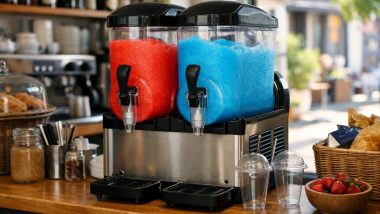
If you also want an ice-cold option for summer, read our guide to slush for cafés and lunch restaurants. Producers who want to bottle the drink for sale can read about zero-sugar still drinks for small breweries and bottlers.