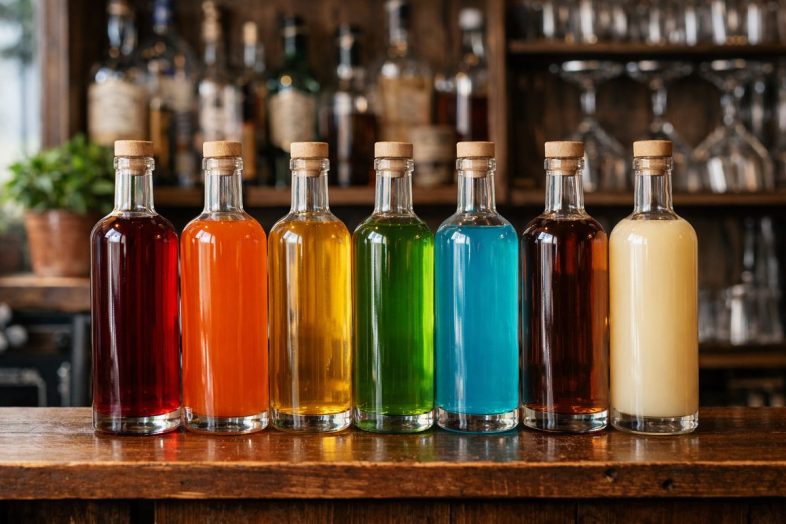
Short answer: A liqueur essence is a concentrated flavouring that turns a neutral spirit, sugar and water into a liqueur. Bars and restaurants use them to make a house liqueur from spirits they have bought, and licensed producers use them to develop new products quickly. They come in sizes from 20 ml for testing up to 1 litre for regular use.
How a liqueur is made with essence
The basic recipe is simple:
- Start with a neutral spirit, such as vodka, bought with duty paid.
- Add sugar or syrup for sweetness and body.
- Add the essence according to the dosage on the bottle.
- Mix, let it rest and adjust to taste.
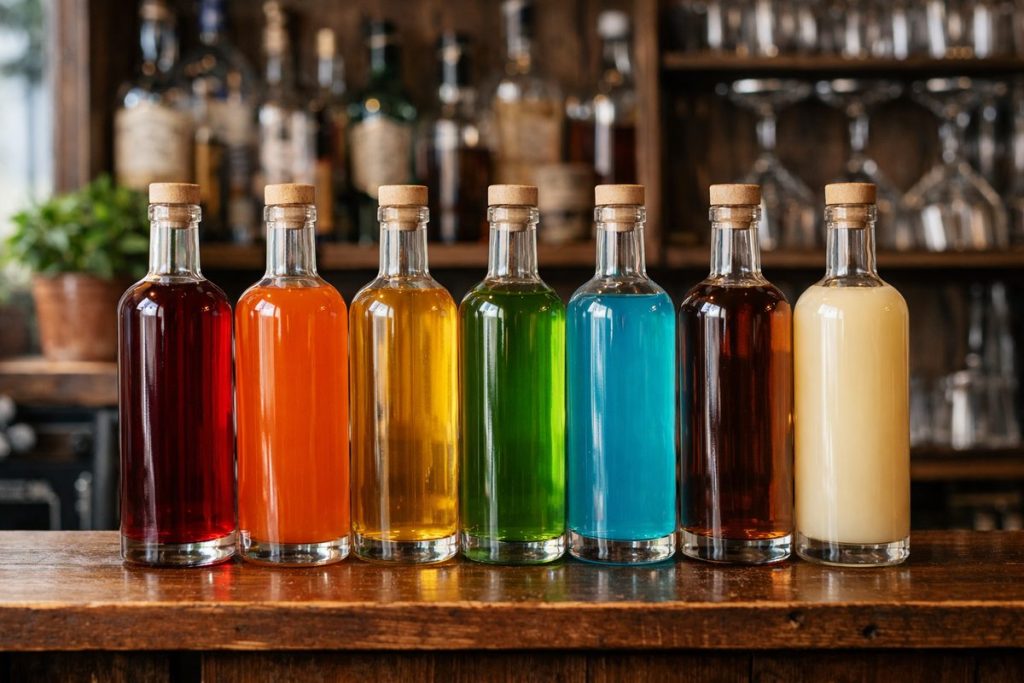
Coffee, chocolate, orange, cream and berry styles are classics. The same base can be used for several flavours, which makes a small range easy to manage.
Ideas for bars and restaurants
- A house liqueur served with dessert or coffee.
- A signature shot with a flavour that is yours.
- Cocktail bases that save time behind the bar.
- Seasonal specials for Christmas or summer.
Because you start from a spirit you already buy, the extra cost per serving is mainly the sugar and the essence.
The rules in short
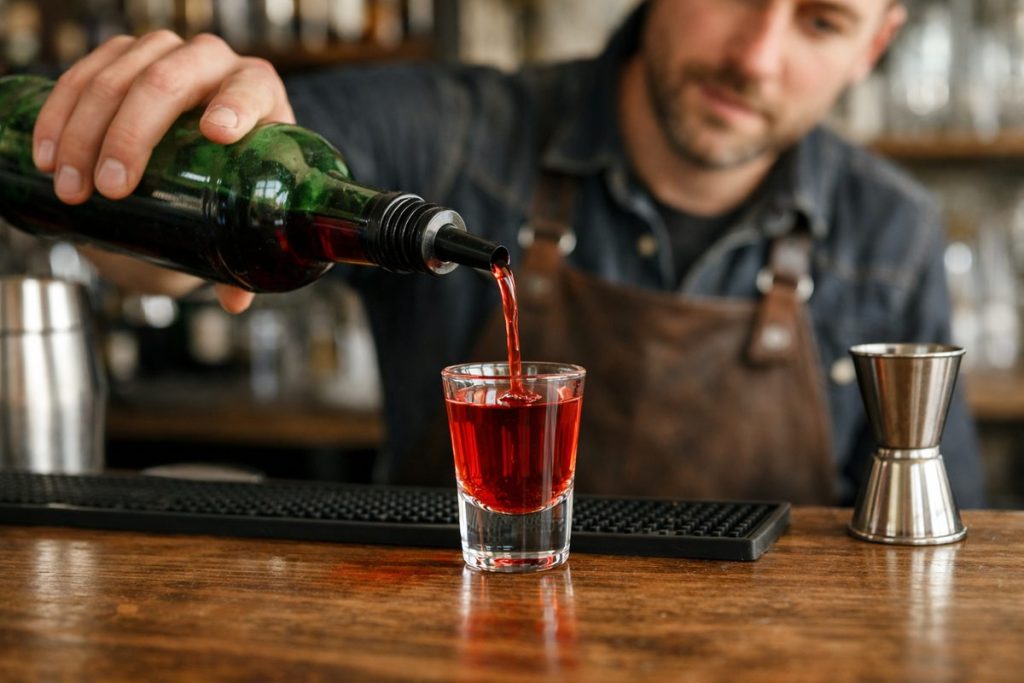
You may flavour and mix drinks for your customers under your premises licence. Producing spirits drinks for sale in bottles is different: it requires approval from HMRC and the right labelling, so licensed producers use essences as part of their approved production. Distilling without a licence is illegal in the UK, also for personal use, and essences should never be marketed for that.
Choosing the size
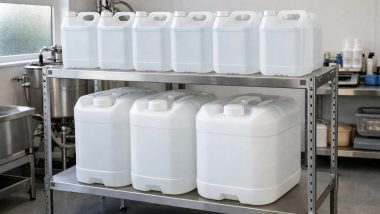
Start with 20 or 50 ml bottles to test flavours, move to 280 ml or 1 litre for the flavours you use every week, and consider bulk only when you have steady volume. Read more about essences in 5 and 25 litres.
The full range of liqueur essences is in the trade shop. Homebrew retailers can read how essences fit into a range in stocking a homebrew shop.